




Black Friday–Cyber Monday compresses attention, inflates numbers, and tempts even disciplined teams to chase whatever’s working “right now.” That’s exactly when a pure one‑day read becomes your most persuasive liar. Paths to purchase stretch, earlier touchpoints mature, and last‑click pull rises under sale pressure—making capture look wildly efficient while prospecting gets under‑credited in the moment. The fix is a calm operating system: pre‑commit decision windows, then demand longer‑window corroboration before moving real budget.
This article serves as a part companion piece to a webinar I hosted about Black Friday. You can see the full recording of the webinar here:
Why Windows Matter More During BFCM
Cyber Five distorts time. People see your ads, browse, compare, subscribe, and come back, often days later. If you only look at “today,” you’ll miss what you seeded earlier and over‑credit what happened last.
What changes in the data (and why it matters):
- Paths to purchase lengthen, so one‑day under‑credits earlier work that pays back over 7/14/30 days.
- Last‑click pull increases, making capture look even better than the true incremental picture.
- Segment dynamics shift: first‑time customers skew ~73% “on‑day,” while blended sits just under 60% because returning revenue lags—so your windows should vary by segment, not just by channel.
The Rule of Thumb that Survives the Weekend
Short windows for capture. Longer windows for creation. That’s it.
- Capture (Brand, Shopping, retargeting): optimize primarily on short windows (1–3 day) because these tactics convert quickly under sale pressure.
Kill Last‑Click Bias: a simple playbook for 1‑day vs 7/14/30‑day reads during BFCM
Black Friday–Cyber Monday compresses attention, inflates numbers, and tempts even disciplined teams to chase whatever’s working “right now.”
That’s exactly when a pure one‑day read becomes your most persuasive liar.
Paths to purchase stretch, earlier touchpoints mature, and last‑click pull rises under sale pressure, making capture look wildly efficient while prospecting gets under‑credited in the moment.
The fix is a calm operating system: pre‑commit decision windows, then demand longer‑window corroboration before moving real budget.
Use C+DV to Keep the Upper‑Funnel Funded
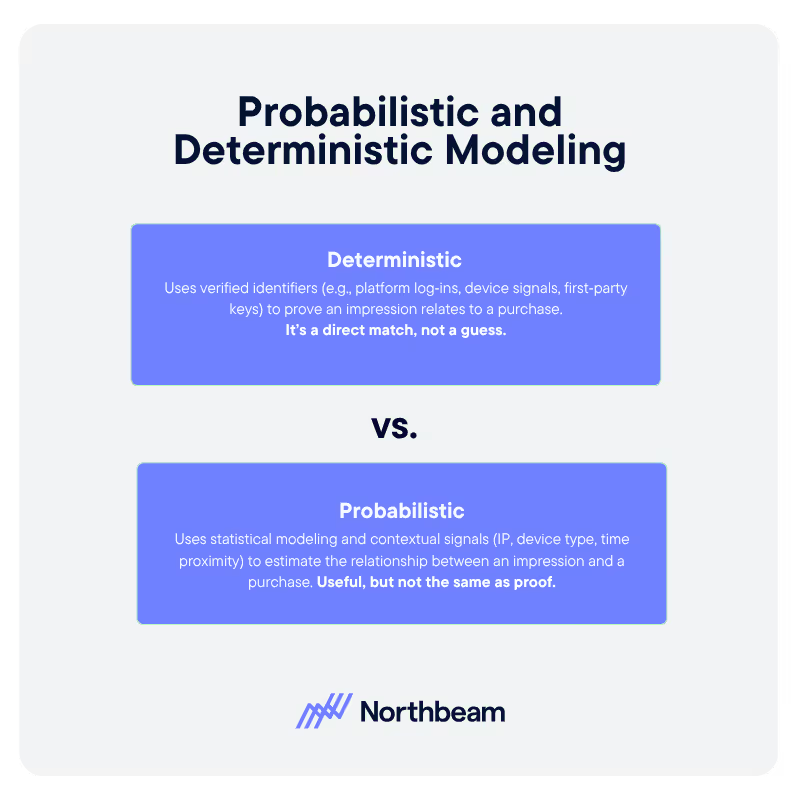
Clicks alone miss where view‑driven discovery is doing real work. C+DV (Clicks + Deterministic Views) adds verified views on top of clicks, making upper‑funnel influence visible precisely when last‑click capture is shouting.
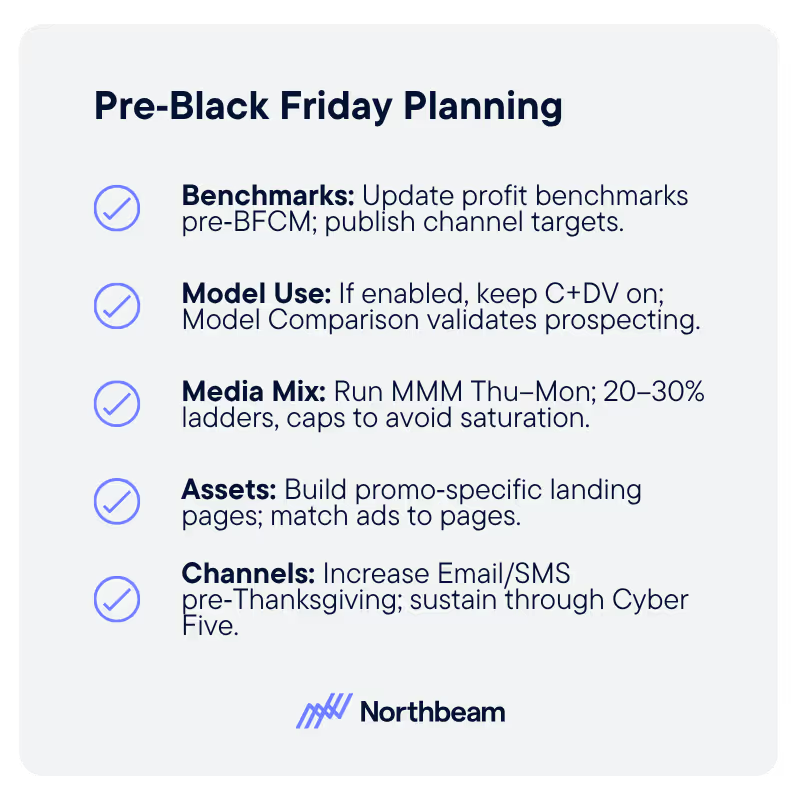
Keep C+DV on, and use Model Comparison to see how the same prospecting set performs at 1‑day vs 7/14/30‑day before you move money.
If clicks‑only looks soft on 1‑day but C+DV at 14/30‑day shows lift, hold (or scale within your ladder) and let the window do its job. Save short‑window enforcement for capture.
Guardrails You Can Publish
To keep weekend decisions fast and consistent, publish simple, shared guardrails before the sale—and stick to them through Cyber Five.
- Pre‑commit decision windows by channel and set a refresh cadence: one review pre‑Thanksgiving and one post‑Black Friday. This keeps targets current without moving the goalposts mid‑stream.
- Document on‑day vs lag contribution for each channel after the event (e.g., blended ~59% same‑day; first‑time ~73% same‑day), then carry those profiles into next year’s windows and pacing.
- Practice in‑flight hygiene: in your overview, compare total vs one‑day revenue to judge how much of “today” is truly coming from today’s spend; check data‑freshness indicators before changing budgets.
- Make intraday reads proportional to volume: use hourly only for high‑throughput channels (Meta/Google). For smaller channels, rely on 1/3/7‑day trends—there isn’t enough hourly signal for surgical changes.
Pitfalls to Dodge (and the Easy Fix)
Weekend jitters are real: when the one‑day view softens on Saturday or Sunday, cutting prospecting feels safe—but it starves Monday of demand.
Hold floors and require 7/14/30‑day corroboration before touching those budgets.
The other trap is chasing last‑click heroes off a one‑day read; keep capture funded on short windows, but validate prospecting with longer windows and C+DV so you scale what’s truly working; not just what’s loud.
- Don’t cut prospecting on the weekend; enforce 7/14/30‑day checks.
- Don’t chase one‑day last‑click spikes; keep capture short‑windowed, use C+DV for prospecting.
Bottom Line
BFCM rewards teams that read like operators, not spectators. Lock your decision windows, enforce “short for capture, longer for creation,” and layer C+DV so view‑heavy prospecting gets deterministic credit. That’s how you prevent last‑click bias from draining the very budgets that make the weekend big.
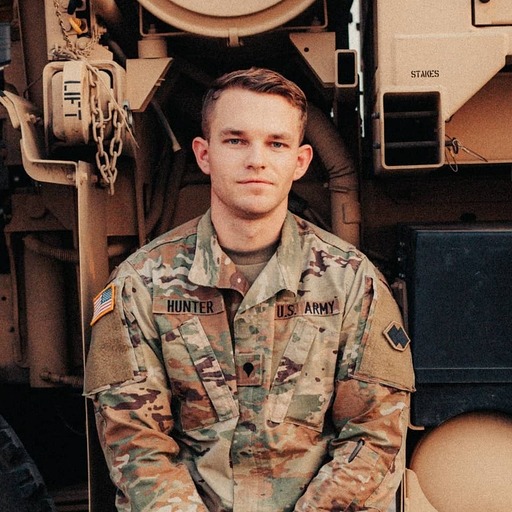
To watch the full webinar, click here. Additionally, you can download our guide that explains all you need to know about Clicks + Deterministic Views, written by my colleague, CJ Hunter, and me. Download it for free here.












































.avif)






















%25201.avif)

.avif)













.svg)
